
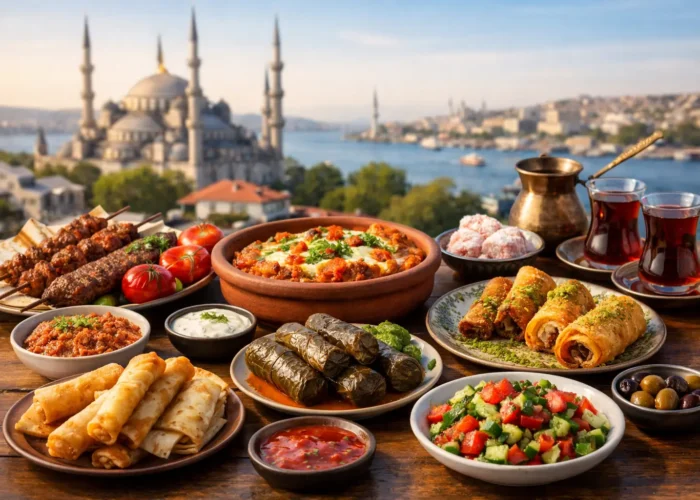
The first real clue that you are eating well in Turkey is not the menu. It is the aroma of butter browning over a copper pan, the sight of a baker sliding flatbread into a stone oven, or the quiet confidence of a restaurant that has been making one dish the same way for decades. If you are planning a culinary trip and wondering about the best foods to try in Turkey, start with the classics that locals return to again and again.
Turkish cuisine rewards travelers who look beyond a single idea of kebab. It is regional, deeply rooted, and far more varied than many first-time visitors expect. In Istanbul, the best meal may be a table of meze overlooking the Bosphorus. In Cappadocia, it may be a slow-cooked clay pot dish. Along the Aegean, olive oil and herbs take center stage. The right food experiences do not just fill a schedule – they shape how a destination is remembered.
Best foods to try in Turkey for a richer trip
If your itinerary includes Istanbul, Cappadocia, Ephesus, or the Aegean coast, these dishes offer a strong introduction to the country’s culinary identity. Some are famous, some are regional, and several are best enjoyed in a very specific setting.
Kebabs
Yes, kebabs belong on the list, but not as a catchall category. In Turkey, kebab culture is nuanced. Adana kebab is long, hand-minced, and spiced with heat. Urfa kebab is gentler and more savory. Doner is familiar to many visitors, but in Turkey it is often more balanced and less overloaded than versions found abroad.
The best approach is to order based on region and specialty rather than choosing the first place with a grill. A strong kebab restaurant usually does one or two styles exceptionally well. If you prefer milder flavors, ask for recommendations. Spice levels, fat content, and serving style vary more than most travelers realize.
Meze
Meze is one of the most enjoyable ways to eat in Turkey because it turns dinner into a sequence rather than a single plate. You might find smoky eggplant salad, yogurt with herbs, white bean piyaz, stuffed grape leaves, ezme, or sea-inspired cold dishes along the coast.
This is where setting matters. In Istanbul or on the Aegean, a meze meal can be as memorable as any landmark visit. It is also ideal for travelers who want variety without committing to one large entree. The trade-off is that quality can differ widely. Freshness, olive oil, and balance matter more here than flashy presentation.
Lahmacun and pide
These two baked favorites are often grouped together by visitors, but they deserve separate attention. Lahmacun is a thin, crisp round topped with finely minced meat, herbs, and spices. It is typically served with greens and lemon, then rolled before eating. It makes an excellent lunch when you want something quick but distinctly local.
Pide is thicker, boat-shaped, and more substantial. Common toppings include cheese, ground meat, sucuk, or egg. In some regions, the dough itself is the point – chewy, blistered, and fresh from a wood-fired oven. If you are choosing between the two, lahmacun is lighter and sharper, while pide feels richer and more filling.
Menemen
A proper Turkish breakfast can easily become one of the highlights of the trip, and menemen is often the dish that travelers remember most. Made with eggs, tomatoes, peppers, and usually butter or olive oil, it arrives hot, soft, and ready to be scooped with bread.
The details matter. Some versions include onions, some do not, and Turks have strong opinions on the subject. In upscale hotels and refined local breakfast houses alike, the best menemen tastes simple but precise. It is not a complicated dish, which is exactly why mediocre versions stand out.
Simit and street snacks
For travelers balancing museum visits, bazaars, and transfers, Turkey’s street food culture is genuinely useful, not just charming. Simit, the sesame-crusted bread ring sold throughout cities, is one of the easiest and most satisfying quick bites. It pairs naturally with tea and fits well into a busy sightseeing day.
Other snackable favorites include roasted chestnuts in cooler months, corn sold from carts, and midye dolma in some urban settings. Not every street option is right for every traveler, especially if you are cautious about where and how food is handled. A guided itinerary or trusted local recommendation helps separate the iconic from the overly touristy.
Regional dishes worth seeking out
Turkey’s food becomes even more rewarding when you match dishes to destination. This is often where a premium, well-planned itinerary adds value, because the right lunch stop in the right town can feel as meaningful as a major historical site.
Testi kebab in Cappadocia
Testi kebab is one of Cappadocia’s signature dishes, cooked in a sealed clay pot and often opened tableside. It includes meat, vegetables, and juices that meld during slow cooking. The presentation is dramatic, but when it is done well, the flavor is the real reason to order it.
That said, this is also a dish that can slide into performance for visitors. Some restaurants lean heavily on the pot-breaking ritual while delivering a forgettable meal. It is best chosen at a reputable local restaurant rather than a place designed only for bus tours.
Gozleme
Gozleme is a thin, hand-rolled flatbread filled with cheese, potatoes, spinach, or meat, then cooked on a griddle. It appears in villages, markets, and casual restaurants across the country. At its best, it is fresh, crisp at the edges, and generously filled without becoming heavy.
For travelers visiting rural areas or smaller towns, gozleme often feels more personal than more polished restaurant dishes. It is simple food, but it reflects domestic cooking traditions in a direct way. Pair it with ayran for a classic combination.
Manti
Often described as Turkish dumplings, manti are small parcels of dough filled with meat and served with yogurt, melted butter, and spices. They require care to make and can be wonderfully refined when prepared properly.
This is not the dish to rush through. Good manti balance richness and tang, with the yogurt cutting through the butter and seasoning. Portions may look modest, but the dish is more substantial than it appears.
Aegean olive oil dishes
Travelers who assume Turkish cuisine is always meat-forward are often surprised on the Aegean coast. Here, vegetables, herbs, beans, and olive oil take on a more central role. Artichokes, green beans, fava, and seasonal greens are often prepared with elegance and restraint.
These dishes are especially appealing if you want a lighter meal after several days of richer food. They also pair beautifully with seafood. The style is less about spice and more about freshness, balance, and ingredient quality.
Turkish sweets and drinks you should not skip
Dessert in Turkey is not an afterthought. It is part of the rhythm of the day, whether after dinner, with coffee, or during an afternoon pause.
Baklava
Baklava is the most internationally recognized Turkish dessert for good reason. The best versions are crisp, buttery, layered with pistachios or walnuts, and sweet without becoming cloying. Regional differences matter here, and pistachio baklava from southeastern traditions is especially prized.
Quality is everything. Freshness determines whether baklava tastes delicate or heavy. In the right pastry shop, it feels precise and luxurious rather than overly sugary.
Kunefe
Kunefe is a warm dessert made with shredded pastry, soft cheese, and syrup, often topped with pistachios. It is rich, dramatic, and best shared unless you are fully committed to dessert. The contrast between crisp top, melted center, and syrup is what makes it memorable.
Not every traveler will prefer it to baklava. If you like desserts with texture and a savory-sweet edge, kunefe may become your favorite. If you prefer cleaner sweetness, baklava is usually the safer first choice.
Turkish tea and Turkish coffee
Tea is woven into daily life in Turkey. You will see it offered in shops, hotels, restaurants, and homes. It is less a specialty beverage than a cultural constant. Accepting a glass of tea often becomes part of the travel experience itself.
Turkish coffee is stronger, more concentrated, and more ceremonial. It is not meant to be rushed. If you are used to large American coffee drinks, the portion may seem small, but the flavor is intense and lingering. Ordering both during your trip gives you a fuller sense of Turkish hospitality.
How to eat well in Turkey without guessing
The best meals in Turkey are not always in the most visible places. Restaurants with focused menus, local regulars, and confidence in a specialty dish usually outperform places trying to offer everything. Timing also matters. Breakfast deserves real attention, lunch can be regional and casual, and dinner is often where meze or grilled specialties shine.
For travelers who want culinary highlights built naturally into a wider journey, expert planning makes a noticeable difference. A thoughtfully designed itinerary can pair major sights with standout dining, private local guidance, and the kind of restaurant selection that turns a good trip into an unforgettable one. Bosphorus Gate Travel often sees that the meal guests remember most is not necessarily the fanciest – it is the one chosen in exactly the right place, at exactly the right moment.
If you arrive hungry, curious, and willing to follow regional specialties rather than a checklist, Turkey will reward you generously at every table.