
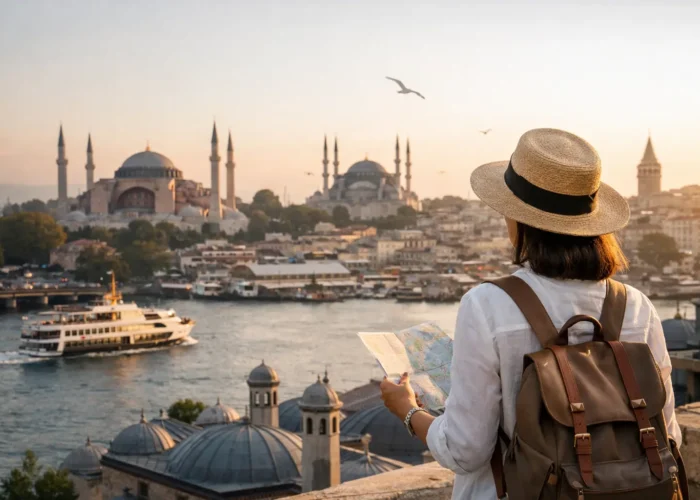
The first mistake many travelers make in Istanbul is trying to treat it like a checklist city. It is not. A strong Istanbul first visit guide starts with one simple truth: this is a city of layers, and your experience will be far better if you plan for rhythm, not just landmarks.
Istanbul rewards travelers who want more than snapshots. You can step from a Byzantine basilica into an Ottoman palace, then sit down to a long lunch overlooking the Bosphorus before crossing into a neighborhood that feels completely different from the one you left an hour earlier. For first-time visitors, that richness is thrilling, but it can also become exhausting if the trip is overpacked. The right approach is to see the essentials well, leave room for atmosphere, and let logistics work in your favor.
Istanbul first visit guide: start with the right pace
For a first trip, three to four full days in Istanbul is the sweet spot. Two days can cover the headline sights, but it often feels rushed. Five or more days allows for a deeper stay, especially if you enjoy museums, food, or a slower luxury travel pace.
The historic core deserves at least one full day, often two. Sultanahmet is where most first-time visitors naturally begin, and for good reason. Hagia Sophia, the Blue Mosque, Topkapi Palace, the Basilica Cistern, and the Hippodrome area are all within close reach. That convenience is valuable, but the area can be crowded, especially during peak cruise and holiday periods. Early starts matter here. Seeing major sites before the busiest hours changes the experience entirely.
It also helps to resist stacking every major monument into one long march. Topkapi Palace alone can take several hours if you want to appreciate the courtyards, imperial collections, and views rather than move through it quickly. Hagia Sophia is not simply a stop for photos. It is one of the world’s defining historic interiors. Giving these places time is part of what makes a first visit memorable.
Where to stay on your first trip
Where you stay will shape the trip as much as what you book. First-time visitors often choose between Sultanahmet, Karakoy, Galata, and areas near Taksim. Each works, but for different travel styles.
Sultanahmet is ideal if your priority is immediate access to the classic sights. It is practical, especially for shorter visits, and can feel magical in the early morning or evening after day crowds thin out. The trade-off is that it is more tourist-centered and less lively at night.
Karakoy and Galata suit travelers who want a more contemporary urban feel while still staying close to major attractions. You are better positioned for dining, rooftop views, and easy movement between the Old City and the Bosphorus. Taksim and nearby neighborhoods give you broader city energy, but they are less convenient if your focus is mainly the historic center.
For premium travelers, the best choice often comes down to how you want your days to feel. If this is a short first visit centered on iconic monuments, stay close to them. If you are balancing history with dining, shopping, and a more polished evening scene, Karakoy or Galata often makes more sense.
What to see first, and what can wait
A well-planned first itinerary should prioritize Istanbul’s defining experiences, not just its most photographed corners. Hagia Sophia, the Blue Mosque, Topkapi Palace, and the Basilica Cistern are core visits because they introduce the city’s imperial, religious, and architectural story in a way that is immediate and visually powerful.
After that, the Bosphorus should move high on your list. This is not an optional add-on. Seeing Istanbul from the water explains the city in a way streets alone cannot. The shoreline palaces, mosques, wooden waterfront mansions, and shifting views between Europe and Asia create a sense of scale that many first-time visitors miss when they stay entirely on land.
The Grand Bazaar and Spice Bazaar are also worth visiting, but expectations matter. They are lively, historic, and atmospheric, yet they are not quiet local markets. Go for the setting, craftsmanship, and sensory energy. If you want a more refined shopping experience, it helps to approach these bazaars selectively rather than wander without purpose.
If time allows, add one neighborhood experience beyond the headline circuit. Balat, Kadikoy, Ortakoy, or a walk through Galata can round out the trip. Which one is best depends on your interests. Some travelers want photogenic streets and cafés. Others want food, local pace, or waterfront views. There is no single right answer, which is exactly why a tailored itinerary is valuable.
A practical Istanbul first visit guide for smoother days
Istanbul is rewarding, but it is not a city where casual planning always works well. Traffic can be significant, entry lines can be long, and the distance between seemingly close points may take more time than expected. This is one reason private touring appeals to many first-time visitors. It reduces the friction and allows you to focus on the destination rather than on constant navigation.
Even independent travelers should think strategically. Group sights by area. Start early. Leave open time between reservations. Build in a proper lunch rather than treating meals as a quick necessity. Istanbul is one of the world’s great food cities, and part of a successful first visit is making room for that.
Footwear matters more than many expect. Historic districts involve uneven streets, slopes, courtyards, and a surprising amount of walking. Modest dress is also wise when visiting active mosques. Women may need a head covering in some religious sites, and both men and women should avoid overly revealing clothing. A little preparation prevents awkward moments.
Cash is useful, though cards are widely accepted in many hotels, restaurants, and established shops. When shopping in bazaars or smaller venues, prices and payment preferences can vary. It is best to stay courteous, patient, and unhurried. Hospitality is central to the culture, and your interactions often go better when they feel respectful rather than transactional.
When to go, and what to expect
Spring and fall are typically the best seasons for a first Istanbul trip. The weather is more comfortable, and the city is pleasant for long days outdoors. Summer brings energy and extended daylight, but also heavier crowds and heat. Winter can be atmospheric and quieter, though it is less predictable from a weather standpoint.
Timing within the day matters almost as much as timing within the year. Early mornings offer the most rewarding access to major landmarks. Late afternoons and evenings are ideal for scenic dining, Bosphorus views, and neighborhood strolling. Midday is often best used for museums, relaxed meals, or indoor cultural stops when crowds peak.
Travelers visiting during Ramadan or major holidays can still have an excellent experience, but they should expect some shifts in rhythm. Certain areas feel especially vibrant after sunset, while some daytime habits may be more subdued. It is not a reason to avoid travel. It is simply a reason to plan with awareness.
How many days should a first-time visitor spend in Istanbul?
If Istanbul is part of a larger Turkey itinerary, three full days is a strong starting point. That is enough to cover the major historic sites, enjoy a Bosphorus experience, and spend time in at least one additional neighborhood without feeling constantly rushed.
If Istanbul is the main destination, four days is often ideal. That extra day gives you breathing room. You can slow down in the Old City, add a museum or culinary experience, and explore beyond the obvious. Luxury travelers in particular often appreciate this pace because it allows the city’s texture to come through.
A single day in Istanbul, usually on a cruise stopover or tight schedule, is possible but limiting. In that case, expert planning becomes even more important. You will need to be realistic about what can be done well rather than trying to touch everything briefly.
Why guided planning makes a difference
Istanbul is not difficult in the sense that it is inaccessible. It is difficult because it offers so much, and the details matter. The order of your visits, your hotel location, your transport arrangements, your timing for major attractions, and even your dinner reservations all shape the quality of the trip.
That is where a specialized travel partner can elevate the experience. Bosphorus Gate Travel designs Istanbul stays around pace, access, and personal interest rather than generic sightseeing. For travelers who value cultural depth with comfort and efficiency, that kind of planning often makes the difference between a busy trip and an unforgettable one.
Your first visit to Istanbul should feel expansive, not overwhelming. Choose fewer things, do them well, and leave space for the moments you cannot schedule – the call to prayer drifting across the skyline, the ferry crossing at sunset, the second cup of tea you did not plan to have.