
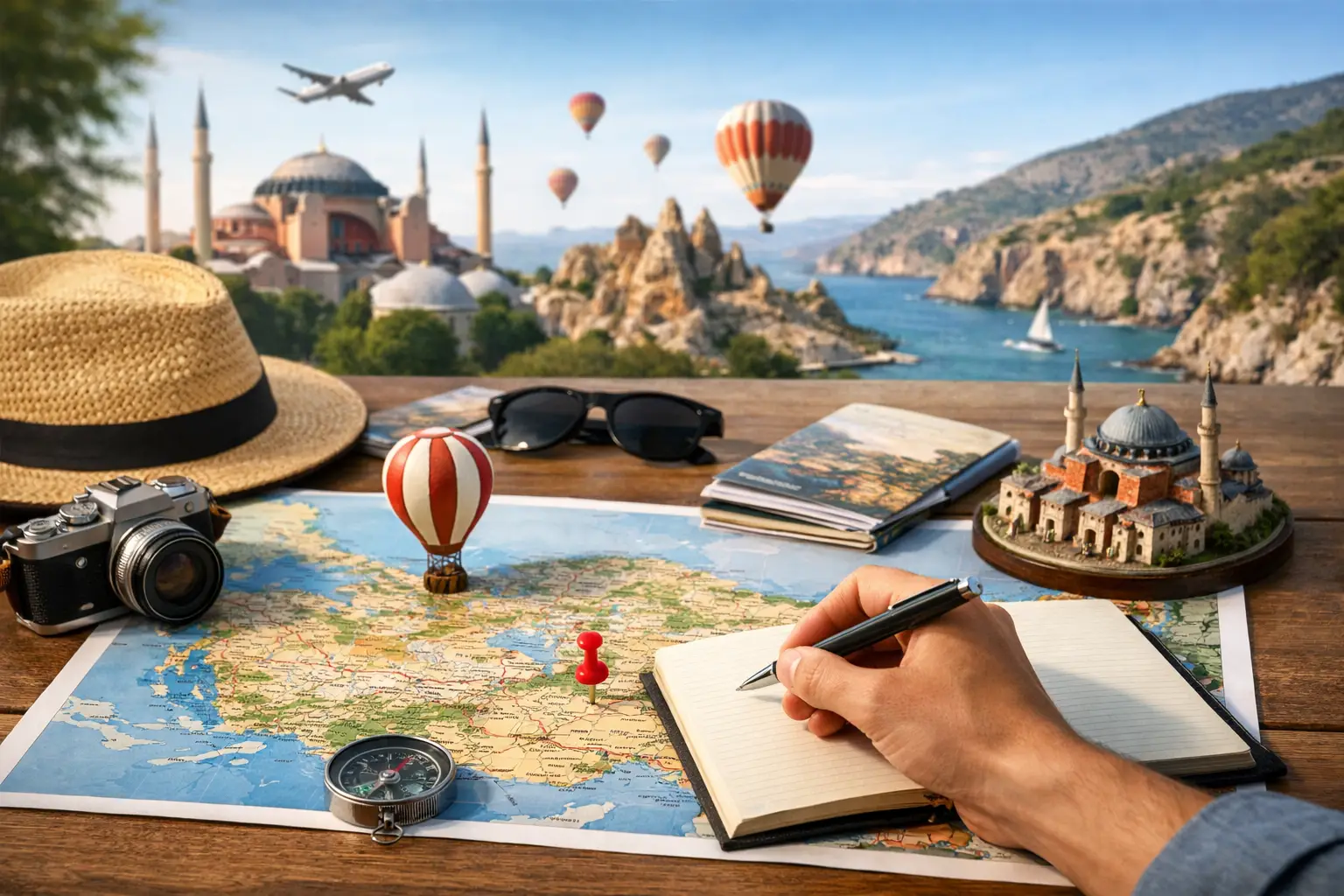
Turkey rewards travelers who plan well. A custom turkey itinerary is not simply a list of cities on a map – it is the difference between rushing through major sights and experiencing Istanbul, Cappadocia, Ephesus, and the coast with the right pace, access, and comfort. For travelers investing in a premium journey, the goal is not to see everything. It is to see the right places in the right order, with enough time to enjoy them properly.
Turkey is easy to underestimate. Distances are longer than many first-time visitors expect, flight timing can shape the entire rhythm of a trip, and each region offers a very different experience. Istanbul is layered, fast-moving, and best explored with context. Cappadocia is visual and atmospheric, with early mornings and weather-dependent activities. Ephesus and the Aegean coast combine archaeological depth with a more relaxed pace. Pamukkale can be rewarding, but it is not always worth squeezing into a short program.
That is why custom planning matters. A well-designed trip aligns flights, hotel locations, touring style, and energy level. It also accounts for who is traveling. A honeymoon itinerary should not feel like a museum marathon. A family trip needs flexibility and room to breathe. A culture-focused couple may want more time in Ottoman and Byzantine sites, while another traveler may prioritize food, scenery, and a private yacht outing on the Bosphorus.
The most common mistake is choosing too many stops before deciding how many days are truly available. A custom turkey itinerary should begin with a realistic time frame, including international arrival and departure days.
For six to seven days, Istanbul and Cappadocia are usually the strongest pairing. This gives travelers a meaningful urban and cultural experience, followed by landscapes, cave hotels, and a different rhythm in central Anatolia. Trying to add Ephesus to a one-week trip can work, but only if the pace is intentionally faster and domestic flights are timed carefully.
For eight to ten days, Istanbul, Cappadocia, and Ephesus make an excellent classic route. This is one of the most balanced introductions to Turkey because it combines imperial history, striking scenery, and one of the most important archaeological sites in the Mediterranean.
For eleven to fourteen days, the itinerary can become more layered. Travelers can add Pamukkale, the Bodrum or Izmir coast, or even a cross-destination extension that includes Athens. At that point, the question is not what can fit. It is what deserves the time.
Not every iconic stop belongs in every itinerary. The right route depends on interests, pace, and season.
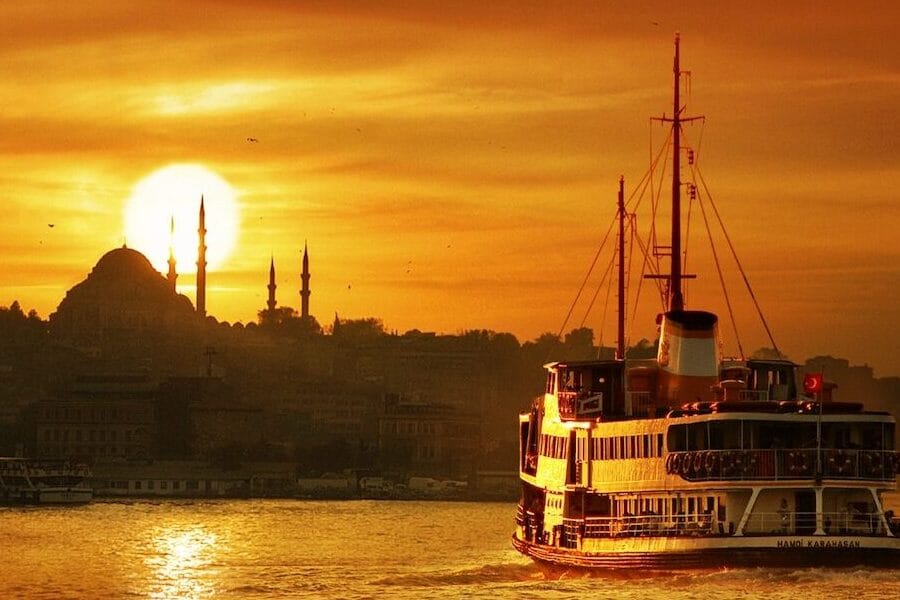
Istanbul is essential for most first-time visitors. It offers world-class monuments, neighborhood character, exceptional dining, and the kind of historical depth that rewards expert guiding. Two nights is the minimum. Three or four is much better if travelers want to include the Old City, the Bosphorus, the Grand Bazaar, and modern districts beyond the standard checklist.
Luxury travelers often benefit from staying in a well-positioned hotel with easy access to both historic and contemporary neighborhoods. Hotel choice matters here more than people think. The wrong location can add unnecessary transfers and cut into touring time.
Cappadocia feels unlike anywhere else in Turkey. It is ideal for couples, photographers, and travelers who want a softer, more atmospheric experience after Istanbul. Most visitors need at least two nights, though three is better if hot air ballooning is a priority. Balloons depend on weather, so extra time adds flexibility.
A custom plan should also consider what kind of Cappadocia experience is desired. Some travelers want panoramic viewpoints and luxury cave accommodations. Others want hiking in the valleys, underground cities, or artisan visits. The region can be active or relaxed depending on design.

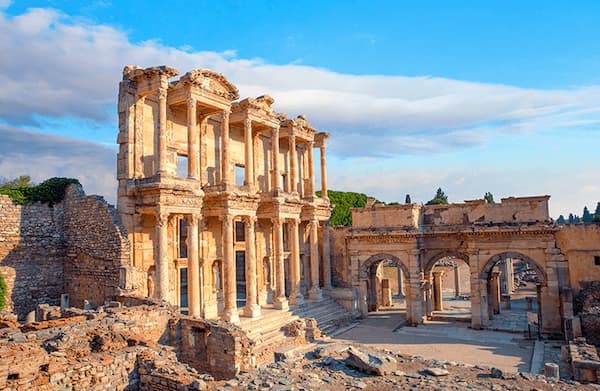
Ephesus is one of the strongest additions to a custom turkey itinerary, particularly for travelers interested in ancient history. It pairs well with Kusadasi, Selcuk, or Izmir, depending on whether the priority is proximity, resort comfort, or broader Aegean exploration.
This stop works especially well after Cappadocia because it changes the tone of the journey. The landscape opens up, the pace softens, and the focus shifts from dramatic geology to classical antiquity and coastal ambiance.
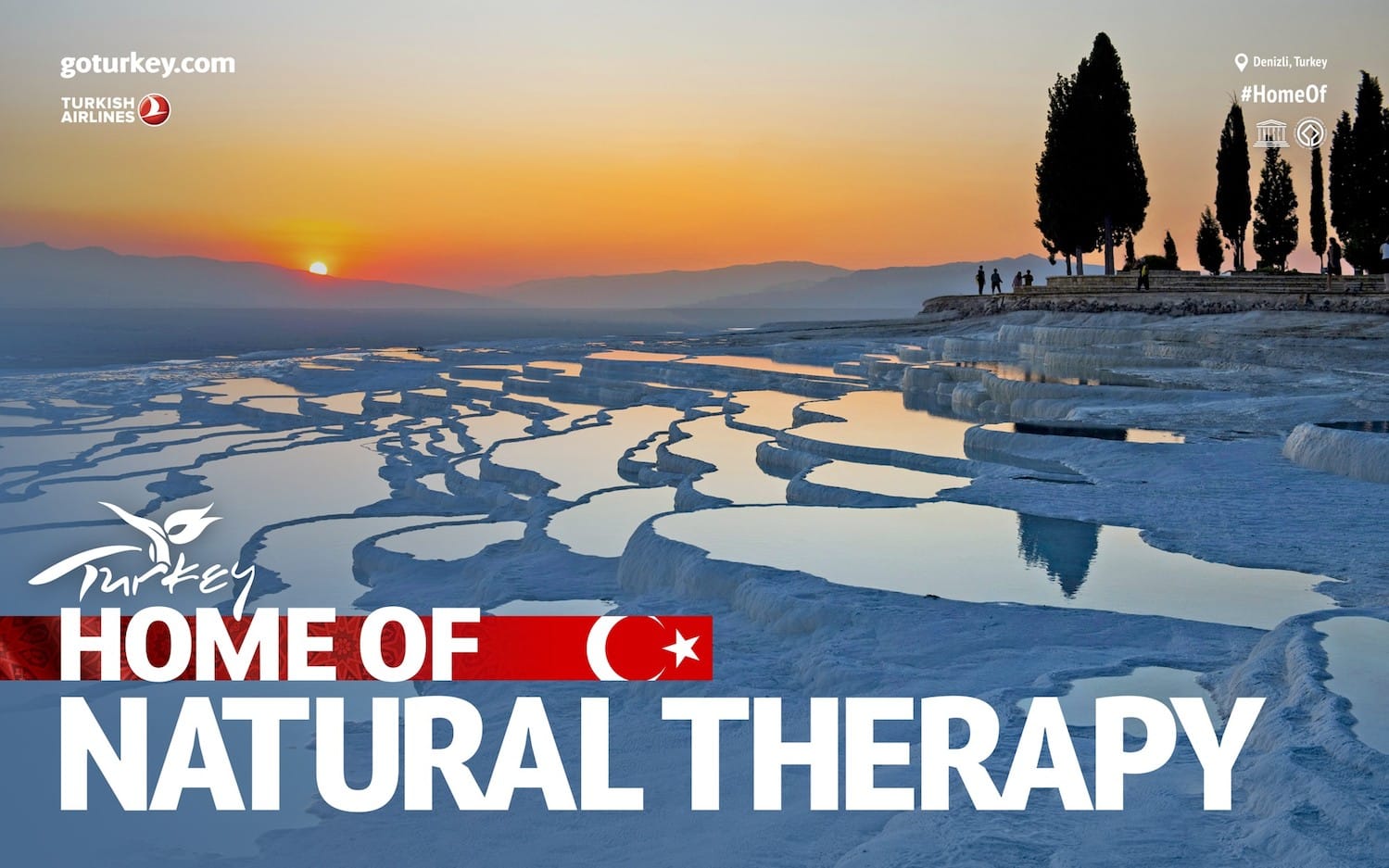
Pamukkale can be worthwhile on longer itineraries, especially when combined with Hierapolis. Still, it is one of the destinations where trade-offs matter. If adding it means reducing time in Istanbul to a rushed stay, many travelers are better served by leaving it for another trip.
The same logic applies to Antalya, Bodrum, and the Turquoise Coast. These are excellent choices for travelers who want beach time, yachting, or resort-style relaxation, but they should enhance the trip rather than overload it.
A strong itinerary has rhythm. That means balancing full touring days with lighter moments, and avoiding unnecessary hotel changes when possible.
Private travel gives more control over that rhythm. Early entry to major sites, carefully timed domestic flights, private airport transfers, and skip-the-line planning can make a major difference in comfort. This is especially important in Turkey, where moving between regions often requires air connections and tightly coordinated logistics.
There is also the question of depth versus coverage. Seeing Hagia Sophia, Topkapi Palace, the Blue Mosque, the Spice Bazaar, and a Bosphorus cruise in one day is technically possible. It is rarely enjoyable. Premium travel is about access and flow, not volume.
Turkey is a destination where expert guiding adds immediate value. Historical sites become far more meaningful with context, and busy places become much easier to navigate with a professional leading the day.
In Istanbul, a private guide can shape touring around crowds, prayer times, traffic patterns, and personal interests. In Ephesus, interpretation turns ruins into a vivid story rather than a walk among stones. In Cappadocia, local expertise helps travelers choose the right valleys, viewpoints, and timing for photography or hiking.
For many US travelers, this support is not just about convenience. It is about confidence. When flights, entry timing, transportation, and daily planning are already managed, the trip feels more enjoyable from the start.
The same route can feel entirely different depending on the month. Spring and fall are often the most balanced seasons for a custom turkey itinerary because temperatures are comfortable and sightseeing conditions are strong across multiple regions.
Summer works well for the coast and for travelers who do not mind heat in inland destinations. It can be intense in Ephesus and Istanbul, especially midday. Winter offers a beautiful and quieter side of Istanbul, and Cappadocia can be magical under snow, but weather may affect flights and outdoor experiences.
This is where customization becomes practical, not just luxurious. The right seasonal design helps travelers avoid fatigue, choose the right hotels, and time each region when it will be most rewarding.
A well-curated itinerary often starts in Istanbul, where travelers recover from international flights while entering the story of Turkey through its most iconic city. From there, Cappadocia provides contrast – open landscapes, cave suites, and early morning views. Ephesus or the Aegean coast often comes last, ending the trip at a more relaxed pace before departure.
That order is not mandatory, but it often works well. It moves from urban intensity to visual drama to softer coastal energy. For many travelers, that creates a more satisfying emotional arc than simply following the cheapest flight pattern.
This is also where a specialist matters. Bosphorus Gate Travel, for example, builds itineraries around these practical and experiential details so the journey feels intentional from arrival to departure, not pieced together stop by stop.
The clearest itineraries start with a few decisions. Travelers should know their approximate trip length, preferred travel season, and whether they want a heritage-focused journey, a scenic luxury escape, or a blend of both. It also helps to be honest about pace. Some travelers love moving often. Others want fewer hotels and more time to settle in.
Budget matters too, but not only in the obvious sense. Premium planning is often about where to spend well. A better-located hotel, a private guide in a complex city, or a well-timed flight may improve the trip more than adding another destination.
A custom turkey itinerary should feel personal, but it should also feel disciplined. The best trips are edited carefully. They leave room for a long lunch with a view, a spontaneous stop in a local market, or an unhurried evening on a terrace in Cappadocia.
Turkey offers enough history, beauty, and range for several trips, not one. The smartest itinerary is the one that makes this first journey feel complete without trying to force the entire country into a single week.