
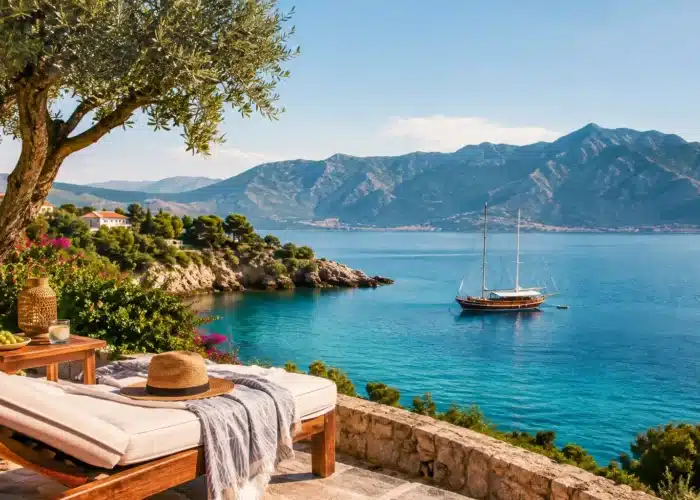
The Turkish Riviera is not one destination with one pace. It is a remarkable stretch of coast where a Bodrum marina lunch, a quiet Lycian village, and a Roman theater above Antalya can all belong to the same journey. This Turkish Riviera guide is designed for travelers who want the region’s signature beauty without sacrificing comfort, thoughtful pacing, or meaningful local context.
For a first visit, the strongest approach is to treat the coast as a curated route rather than a list of beach towns. Private transportation, a knowledgeable local guide, and well-chosen hotels make it possible to move between the peninsula, the mountains, and the sea with ease. The result is a coastal vacation that feels both restorative and deeply connected to Turkey’s history.
Where the Turkish Riviera Begins and Ends
The Turkish Riviera, often called the Turquoise Coast, runs along Turkey’s southwestern Mediterranean and Aegean shores. While the exact definition varies, most premium itineraries focus on Bodrum, Marmaris, Fethiye, Kaş, Kalkan, and Antalya. Each has a distinct character, so the right route depends on whether you prefer sophisticated beach clubs, secluded coves, archaeological sites, sailing, or a balance of all four.
Bodrum is the most polished starting point for many travelers. Its whitewashed hillsides, upscale marinas, boutique hotels, and lively dining scene create an elegant setting for the opening days of a trip. Yet Bodrum also has depth. The castle, the remains of the Mausoleum at Halicarnassus, and the ancient theater offer a compelling reminder that this was a significant classical city long before it became a summer escape.
Further east, Fethiye and nearby Ölüdeniz deliver a more dramatic natural landscape. Pine-covered slopes descend toward bright blue water, and the coast is punctuated by islands, hidden bays, and Lycian rock tombs. Kaş and Kalkan feel more intimate, with stone streets, hillside terraces, and easy access to some of the region’s most rewarding ruins. Antalya, meanwhile, combines a resort-city infrastructure with an atmospheric old town and exceptional Roman-era sites nearby.
The Best Time to Visit the Turkish Riviera
May, June, September, and October are the most comfortable months for a private coastal journey. Days are warm enough for swimming and boating, while temperatures are generally more pleasant for walking through ancient sites. These months also offer a calmer atmosphere than the height of summer, particularly in popular stops such as Bodrum and Ölüdeniz.
July and August suit travelers who want long beach days, nightlife, and the full energy of the summer season. They also bring intense heat, heavier road traffic, and higher demand for the best hotels, private boats, and tables at sought-after restaurants. If traveling then, reserve early and plan sightseeing in the morning or late afternoon.
April can be beautiful for history, hiking, and scenic touring, though the sea may still feel cool. November is quieter and often pleasant, but some seasonal beach venues and boat operations reduce service. The ideal timing depends on whether the priority is swimming, active exploration, or a more peaceful cultural escape.
A Turkish Riviera Guide to the Essential Stops
Bodrum: Refined Aegean Style
Bodrum is an excellent choice for travelers who value a stylish hotel base, excellent restaurants, and effortless access to the water. Spend an afternoon at Bodrum Castle and the Museum of Underwater Archaeology, then enjoy sunset from the marina or a private terrace overlooking the bay.
The Bodrum Peninsula rewards travelers who look beyond the town center. Türkbükü, Yalıkavak, Gümüşlük, and Bitez each offer a different atmosphere, from glamorous waterfront dining to quieter village settings. A private driver is especially valuable here, allowing you to experience the peninsula without navigating summer traffic or making compromises on timing.
Fethiye: Bays, Islands, and Lycian Heritage
Fethiye is where the landscape becomes the main event. The famous tomb of Amyntas, carved high into the cliff above town, provides a memorable introduction to the Lycian civilization. From there, the region opens into a collection of coastal experiences: the sheltered waters of Göcek, the wide beach at Patara, and the blue lagoon at Ölüdeniz.
A privately chartered boat is one of the most rewarding ways to experience this area. It allows you to swim in quieter coves, pause where the water is clearest, and enjoy lunch on board without being tied to a crowded excursion schedule. Full-day charters are particularly appealing for couples, families, and small groups who want time to relax rather than rush from stop to stop.
Kaş and Kalkan: The Coast at Its Most Intimate
Kaş is smaller, more relaxed, and ideal for travelers drawn to authentic atmosphere. Its streets are lined with bougainvillea, independent shops, and relaxed restaurants, while the ancient theater offers extraordinary sea views. Nearby Kekova is a highlight, where a private boat journey reveals the remains of the partially submerged ancient settlement of Simena.
Kalkan is more residential and refined, known for hillside villas, rooftop dining, and views across a deep blue bay. It makes a strong base for visiting Patara, Xanthos, and Letoon. These UNESCO-recognized Lycian sites add real historical weight to a coastal itinerary and are best appreciated with a guide who can bring their political, religious, and architectural stories into focus.
Antalya: A Grand Finale of Culture and Coast
Antalya is often used as an arrival or departure point, but it deserves more than a brief overnight stay. Kaleiçi, the old town, is a maze of Ottoman-era houses, cafés, and restored streets leading toward the historic harbor. It is an appealing contrast to the open, resort-oriented sections of the coast.
The true advantage of Antalya is its proximity to major ancient cities. Perge is known for its broad colonnaded avenue and stadium, Aspendos preserves one of the finest Roman theaters in the Mediterranean, and Side pairs seaside ruins with a charming historic center. Travelers with a strong interest in antiquity may choose to devote two or three nights to this area alone.
How Long to Spend on the Coast
A week is enough to enjoy two or three bases without feeling rushed. For example, three nights in Bodrum followed by four nights between Fethiye and Kaş creates a relaxed blend of style, sailing, and heritage. A 10- to 12-night itinerary can comfortably include Antalya and the archaeological sites of the Lycian coast.
Trying to cover every major town in five or six days usually means too much time in the vehicle and too little time by the water. The distances may look manageable on a map, but coastal roads are winding, and the best experiences are rarely found on a fixed timetable. Staying longer in fewer places gives you space for an unplanned swim, a late lunch, or a spontaneous evening in a harbor town.
Planning a Private Turkish Riviera Journey
The Turkish Riviera is easy to enjoy independently, but premium travel is about reducing friction at every stage. The details matter: selecting the right hotel location, arranging trusted private captains, timing a site visit before the midday heat, and knowing which restaurants are worth reserving well ahead.
An expertly curated journey can include:
- Private airport and intercity transfers in comfortable, air-conditioned vehicles
- Licensed guides for archaeological sites, old towns, and cultural experiences
- Private yacht or gulet charters tailored to your preferred pace
- Carefully selected hotels, from discreet boutique properties to full-service coastal resorts
- Restaurant reservations and flexible planning support throughout the trip
Bosphorus Gate Travel can tailor these elements around your interests, whether that means a honeymoon centered on secluded bays, a family itinerary with gentle sailing and accessible sightseeing, or a culture-focused route linking the Turkish Riviera with Istanbul and Ephesus.
Small Decisions That Improve the Experience
Choose your bases carefully. A marina hotel in Bodrum places dining and nightlife at your doorstep, while a hillside retreat outside town offers greater privacy. In Fethiye, staying near Göcek is ideal for sailing, whereas central Fethiye provides easier access to local life and the Lycian Way. Around Antalya, Kaleiçi suits travelers who want character, while the resort districts work well for those seeking extensive facilities.
Pack for both the beach and the stones. Water shoes are useful on pebbled coves, a light cover-up is appropriate for towns and religious sites, and comfortable walking shoes make ancient cities far more enjoyable. Bring sun protection even in spring and fall, when the light can be deceptively strong.
Most of all, leave room in the itinerary for the moments that cannot be scheduled precisely: a still morning in a private cove, tea overlooking a harbor, or the late-afternoon glow on a Lycian tomb. The Turkish Riviera is at its best when every transfer and reservation is handled with care, leaving you free to notice where the coast takes you.