
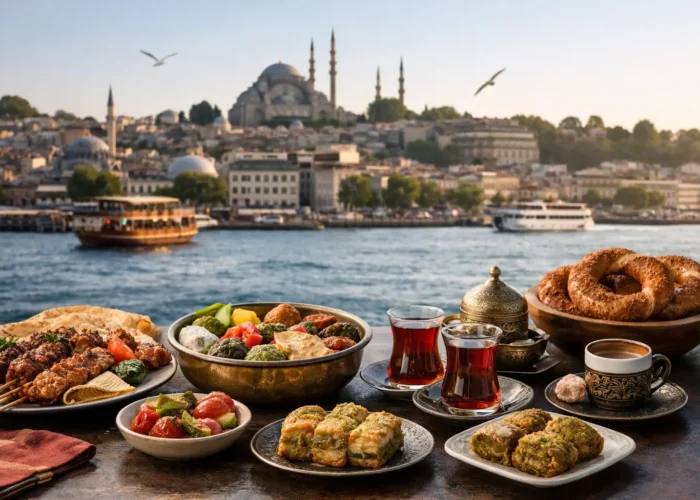
A great Istanbul food tour guide should do more than point you to kebabs and baklava. In a city where Ottoman court cuisine, regional migration, seafood traditions, and street food all meet within a few ferry stops, the real value is knowing what to taste, where to taste it, and when a private guided experience is worth far more than wandering on your own.
For many travelers, Istanbul is their first introduction to Turkey. That makes food one of the fastest ways to understand the city properly. A morning spread of cheeses, olives, honey, tomatoes, and simit says something different about local life than a dinner reservation with Bosphorus views. Both matter. The best culinary experience connects them with context, pacing, and access.
What an Istanbul food tour guide should actually help you do
Not every food-focused outing in Istanbul is a true culinary tour. Some are essentially restaurant walks. Others are broad city tours with a few tastings added in. If your goal is depth, your guide should interpret the city through food – neighborhood by neighborhood, course by course, and tradition by tradition.
That starts with understanding that Istanbul cuisine is not one single style. The city absorbs influences from the Black Sea, southeastern Turkey, the Aegean, Anatolia, the Balkans, and the former Ottoman world. A well-curated itinerary might move from a market breakfast to savory pastries, from meze and seasonal vegetables to grilled meats, from coffee and sweets to a ferry ride that explains why crossing between Europe and Asia changes the culinary rhythm of the day.
For premium travelers, guidance also means efficiency. Istanbul is rewarding, but it can be logistically uneven. Distances that look short on a map can stretch with traffic, and excellent local spots are not always obvious to first-time visitors. A professionally planned food experience removes guesswork while preserving spontaneity where it counts.
Choosing the right Istanbul food tour guide experience
The right format depends on your travel style, energy level, and wider itinerary. Some travelers want a half-day introduction built around iconic tastes and a few historic districts. Others want a slower private day that combines culinary stops with architecture, markets, and local neighborhoods beyond the usual tourist path.
If this is your first visit, a balanced route often works best. That usually means a mix of classic street foods, market culture, and seated tastings, rather than trying to cover every famous dish in one afternoon. Cramming too much into a short window can make the experience feel rushed and surprisingly repetitive.
A private tour tends to be the stronger option when food is a serious part of your trip. It allows your guide to adjust for dietary preferences, pace the tasting portions more intelligently, and build in the neighborhoods that suit your interests. Couples may prefer a more refined progression with wine-friendly meze or a market-to-table focus. Families often benefit from flexibility, easier transport, and guides who know how to balance adventurous eating with familiar favorites.
Cruise passengers and short-stay visitors need especially careful planning. Port timing, hotel location, and traffic patterns matter. In those cases, a tailored culinary route can provide a meaningful introduction to Istanbul without leaving you stressed about the clock.
Neighborhoods that matter most on a food tour
A strong Istanbul food tour guide will usually organize the experience around neighborhoods, because each area gives you a different reading of the city.
Eminonu and the historic peninsula bring energy, classic vendors, and a strong sense of continuity between commerce and cuisine. This is where many travelers first encounter fish sandwiches, spice stalls, pickles, sweets, and busy local lunch counters. It is lively and memorable, but it can also be crowded, so timing matters.
Karakoy offers a more contemporary rhythm. You will find traditional pastry shops and long-established eateries alongside newer concepts. It works well for travelers who want culinary substance without spending the entire day in the densest tourist zones.
Kadikoy, on the Asian side, is often one of the most rewarding food districts for visitors who want range. Market streets, meyhane culture, neighborhood bakeries, and specialty shops all come together here. It feels local, layered, and less performative. For many guests, crossing the Bosphorus becomes part of the experience rather than just transportation.
Besiktas and parts of Nisantasi can also suit travelers looking for a polished urban food scene, especially when the goal is to blend contemporary Istanbul with traditional flavors. These areas are not always the first choice for classic street-food-driven tours, but they can be excellent for refined tasting sequences.
What you should expect to taste
No single list can define Istanbul, and that is exactly the point. A meaningful tour should give you variety without turning the day into a checklist.
Breakfast items often deserve more attention than visitors expect. Simit, menemen, kaymak with honey, olives, village cheeses, and fresh bread create a strong introduction to Turkish hospitality and daily ritual. Midday might shift toward savory foods such as borek, lahmacun, pide, kofte, kokorec, or regional kebab styles, depending on your comfort level and interests.
Seafood can be excellent in the right setting, especially when tied to season and location. Meze is equally important, not just as a collection of small plates but as a window into olive oil dishes, herbs, yogurt-based preparations, and the social side of dining. Desserts might include baklava, kunefe, lokum, or milk-based sweets, but a good guide will not reduce Turkish dessert culture to sugar alone.
Then there is tea and coffee. These are not filler stops. Turkish tea anchors conversation and pacing, while Turkish coffee carries ceremony, texture, and a distinct place in the city’s social life. The right pause for either can reset the entire tour.
Street food or fine dining – it depends on your trip
Travelers sometimes assume the best food experience must be the most local and informal. Often that is true. Some of Istanbul’s most memorable bites come from standing counters, market stalls, or small neighborhood shops that have specialized in one item for decades.
Still, there is a trade-off. Street food offers immediacy and local character, but it does not always provide the comfort, seating, pace, or service level some travelers want after a flight or on a tightly scheduled day. Fine dining and upscale traditional restaurants can present Turkish cuisine with greater polish and setting, though occasionally with less spontaneity.
The strongest itineraries often combine both. A private guide can start with market tastings and casual classics, then transition into a more relaxed lunch or early dinner where the flavors are contextualized in a calmer environment. That blend usually suits premium travelers best because it preserves authenticity without sacrificing comfort.
Practical details that shape the experience
Timing matters more than many visitors realize. Morning tours can capture breakfast culture, fresh bakery output, and a more local rhythm before major sightseeing crowds build. Afternoon tours may feel easier for slow starters, but some specialties sell out or lose their prime window. Evening food experiences are ideal for meze, seafood, and a more social dining atmosphere.
Season also changes what feels appealing. In warmer months, ferry crossings, market walks, and lighter vegetable dishes can be especially enjoyable. In cooler weather, grilled meats, soups, tea stops, and bakery visits feel naturally more satisfying.
Dietary preferences are manageable with planning, but they should be addressed early. Vegetarian travelers can eat very well in Istanbul, especially with strong guidance. Gluten-free and vegan travelers can also enjoy the city, though substitutions may require a more customized route. Nut allergies and strict food sensitivities deserve particular attention in advance.
Comfort level is another factor. Some guests want to walk extensively through neighborhoods and sample generously. Others prefer shorter walks, private transfers between districts, and a more curated tasting sequence. Neither approach is better. The right one is the version that leaves you energized rather than overextended.
Why expert curation changes the day
Istanbul rewards independent travelers, but food is one area where expert planning can make the difference between a pleasant outing and an unforgettable one. Context matters. Knowing why one district is associated with a certain dish, why a pastry style reflects migration history, or why locals eat something at a particular hour turns tasting into understanding.
Curated access matters too. The best experiences are rarely about chasing internet-famous spots alone. They are about balanced routing, trusted vendors, smart timing, and guides who can read the room. If you are celebrating a honeymoon, traveling multigenerationally, or fitting Istanbul into a broader Turkey itinerary, that level of customization becomes even more valuable.
This is where a specialized operator such as Bosphorus Gate Travel can elevate the experience. A thoughtfully designed private culinary day can align with your hotel location, sightseeing plans, dietary needs, and preferred pace while preserving the local character that makes Istanbul so compelling in the first place.
The best meals in Istanbul are not always the fanciest or the most photographed. They are the ones that make the city feel legible – one neighborhood, one table, and one well-chosen bite at a time.
[…] and a focus on edible souvenirs, Turkish delight, spices, teas, and specialty foods. If you enjoy culinary travel, it often feels more approachable. These two markets work best when treated as distinct experiences […]
[…] lunch rather than treating meals as a quick necessity. Istanbul is one of the world’s great food cities, and part of a successful first visit is making room for […]