
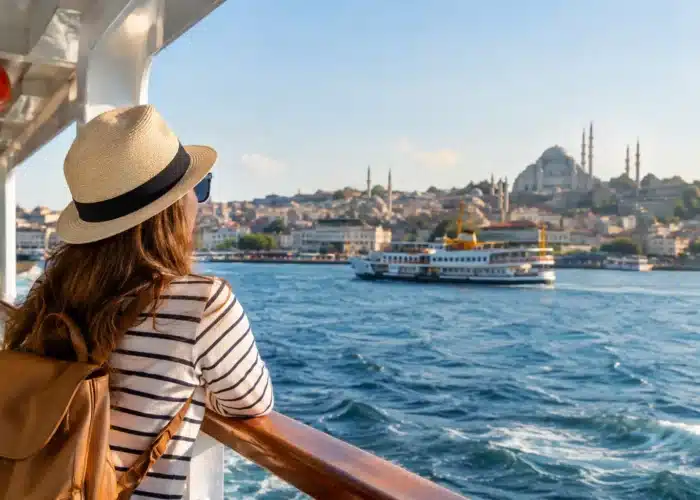
The first time the ferry pulls away from the European shore, Istanbul stops feeling like a map of neighborhoods and begins to make sense as a living city of water. Istanbul ferry navigation is not simply a way to get from point A to point B. It is one of the most memorable ways to see the skyline, understand the Bosphorus, and move between continents with the city unfolding around you.
For travelers who value comfort and thoughtful planning, the key is knowing which crossings add real value to an itinerary and which ones can create unnecessary detours. With a little local perspective, ferries become an elegant part of the day rather than another transportation puzzle.
Why Ferries Matter in Istanbul
Istanbul is divided by the Bosphorus and the Golden Horn, and its public ferry network connects districts that can feel surprisingly distant by road. A crossing can replace time in traffic with open views of palaces, mosques, hillside neighborhoods, and passing ships.
The most useful routes serve both practical and scenic purposes. Ferries connect central European-side districts such as Eminönü, Karaköy, Beşiktaş, and Kabataş with popular Asian-side destinations including Kadıköy and Üsküdar. Other services head north along the Bosphorus toward residential waterfront communities and, in season, toward the Princes’ Islands.
Not every ferry is a sightseeing cruise, and that distinction matters. A regular commuter ferry is typically direct, affordable, and wonderfully atmospheric, but it follows a working timetable and offers limited narration. A private Bosphorus cruise, by contrast, can be arranged around your preferred timing, comfort level, and interests. Both are worthwhile when used intentionally.
Istanbul Ferry Navigation: Understand the Main Routes
For many first-time visitors, the most rewarding public crossing is between the historic peninsula or Galata area and the Asian side. The Eminönü-to-Kadıköy route offers a lively arrival into one of Istanbul’s best food and market districts. It suits travelers who want to pair the journey with a relaxed lunch, local shopping, or a more residential view of the city.
Üsküdar is a different experience. Its waterfront has exceptional views back toward the European skyline, especially as afternoon light softens over the domes and minarets of the old city. It is also convenient for visitors planning to see the Maiden’s Tower from shore or continue toward the elegant neighborhoods below Çamlıca Hill.
Kabataş and Beşiktaş are useful departure points for travelers staying near Taksim, Dolmabahçe Palace, or the luxury hotels along the waterfront. From here, Asian-side ferries can be a more relaxed alternative to crossing by road. The right choice depends on where your day begins and where it is designed to end.
The Golden Horn routes can also be appealing, particularly for guests exploring Fener, Balat, Eyüp, or the Galata area. They are less dramatic than a full Bosphorus crossing but offer a revealing look at the city beyond its headline landmarks.
For a longer outing, ferries to the Princes’ Islands offer a welcome change of pace. These trips require more planning because crossings are longer, schedules vary by season, and popular departures can be busy on weekends. They work best when the islands are the focus of a full day rather than an addition to an already full Istanbul itinerary.
Payment, Timing, and Practical Details
Public ferries generally require Istanbul’s transit card system rather than cash at the boarding gate. Travelers can purchase and load a transit card at major transport hubs, but machines may be busy and can be less intuitive than expected after a long flight. Keeping a modest balance on the card avoids a rushed stop before boarding.
Schedules vary by route, day, and season. Morning and evening commuter periods can be crowded, while midmorning and midafternoon crossings often feel more relaxed. If a ferry is central to a timed reservation, a private tour pickup, or a cruise-port return, allow a generous buffer. Weather, operational changes, and holiday traffic can affect services.
Arriving 15 to 20 minutes before departure is a sensible approach for a popular route. It gives you time to identify the correct pier, purchase a snack or tea if desired, and select a good place on deck. The outdoor railings offer the clearest photographs, while indoor seating is more comfortable on windy or rainy days.
Ferries operate year-round, but the experience changes with the weather. Summer crossings are warm, bright, and often busy. Spring and fall can bring the most pleasant light and temperatures. In winter, the Bosphorus can be strikingly beautiful under low clouds, though wind and rain make an indoor seat the better choice.
How to Build a Ferry Crossing Into a Well-Planned Day
A ferry should support the rhythm of your itinerary, not interrupt it. One of the strongest combinations begins with a private guided visit to the Old City, followed by a short transfer to Eminönü and a crossing to Kadıköy for a market-focused lunch. This creates a natural transition from imperial landmarks to contemporary local life.
Another refined option is to visit Dolmabahçe Palace or the waterfront near Beşiktaş, cross to Üsküdar, and continue with a scenic drive along the Asian shore. This route pairs palace architecture with panoramic city views and is especially rewarding near sunset.
Travelers with limited time should avoid treating the ferry as a box to check. A 20-minute crossing can be far more meaningful than a long, rushed ride if it is paired with a neighborhood you genuinely want to explore. For cruise guests and visitors with tightly organized private tours, the best route is often the one that fits naturally between planned experiences and preserves ample time for return transfers.
Small Details That Improve the Experience
Choose the side of the boat based on the direction of travel and the view you hope to enjoy, but do not overthink it. On a short crossing, you can usually move around and see both shores. The most important detail is to step outside for at least a few minutes after departure, when the city opens behind you and gulls trace the wake.
Bring a light layer even on warm days. The breeze on the water can be noticeably cooler than the streets, particularly in the evening. Keep valuables secure, as you would in any busy transit area, and be mindful when boarding or disembarking with children, strollers, or larger bags.
A cup of Turkish tea and a simit from a nearby vendor are classic additions, but they are optional rather than essential. The real appeal is the perspective: the call to prayer moving across the water, the layered skyline, and the daily rhythm of residents crossing between Europe and Asia.
When Private Planning Is the Better Choice
Independent ferry travel is ideal for confident travelers with flexible schedules. Yet there are times when private arrangements offer a better experience. Families, honeymooners, multigenerational groups, and guests celebrating a special occasion may prefer a private Bosphorus cruise with a guide who can interpret the palaces, waterfront mansions, fortresses, and neighborhoods in view.
Private planning is also valuable when ferry timing must connect precisely with museum visits, restaurant reservations, airport transfers, or a shore-excursion schedule. Rather than spending valuable vacation time deciphering piers and timetables, guests can enjoy the water as part of an expertly curated day. Bosphorus Gate Travel can incorporate the right crossing or private cruise into a personalized Istanbul itinerary, with the pacing and logistics handled in advance.
The best ferry journey is rarely the longest one. It is the crossing that gives your day a moment of calm, reveals a fresh angle on Istanbul, and carries you naturally toward the next experience waiting on shore.