
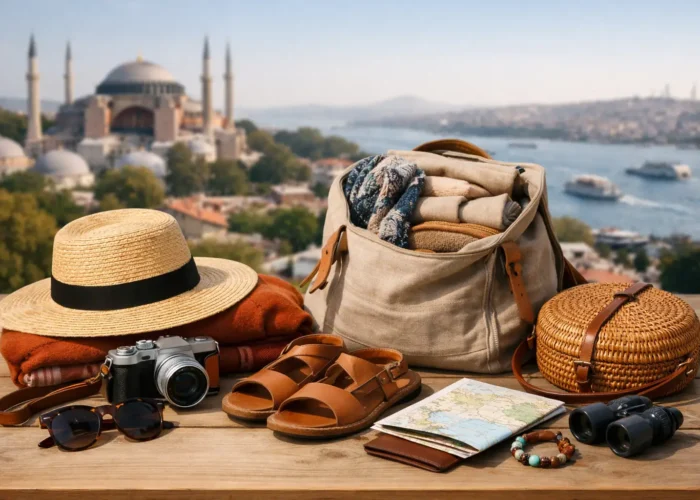
You will notice it quickly in Turkey – one morning may begin in a stylish Istanbul neighborhood, continue through a historic mosque, and end with dinner on a breezy terrace by the Bosphorus. That is exactly why travelers ask what to wear Turkey before they finalize their itinerary. The right wardrobe helps you feel comfortable, appropriately dressed, and ready for everything from private touring to elegant evenings out.
Turkey does not require a single dress code, but it does reward thoughtful packing. In major cities such as Istanbul, Izmir, and Ankara, fashion tends to be modern, polished, and varied. In resort areas along the Aegean and Mediterranean, the mood is lighter and more relaxed. In conservative neighborhoods, rural towns, and religious sites, modesty matters more. The goal is not to overpack. It is to bring pieces that adapt well across settings, temperatures, and cultural expectations.
What to Wear Turkey by Season
The season shapes your packing list more than many first-time visitors expect. Turkey is a large country with meaningful regional differences, so weather in Istanbul can feel very different from Cappadocia or the southern coast.
Spring is one of the easiest seasons to dress for, but layers are essential. From March through May, days can move from cool to warm, especially in Istanbul and inland destinations. Lightweight pants, breathable tops, a light sweater, and a smart jacket usually work well. Comfortable walking shoes are a must, especially if your itinerary includes old city streets, archaeological sites, or hill towns with uneven stone surfaces.
Summer calls for breathable fabrics and a practical balance between comfort and coverage. From June through August, coastal regions can be very hot, and Istanbul can feel humid. Linen shirts, airy dresses, cotton tops, loose trousers, and lightweight skirts are all appropriate. Shorts are common in resort towns and tourist-heavy districts, but very short or overly revealing clothing may feel out of place in conservative settings or during mosque visits. If your plans include premium dining or rooftop restaurants, pack at least one refined evening outfit.
Fall is ideal for polished, versatile dressing. September and October often remain warm, while November can turn cooler, especially in the evenings. This is a strong season for light layering – think long pants, blouses, button-down shirts, knit layers, and a jacket you can carry comfortably. If you are touring extensively, this is often the easiest time to pack well without bringing too much.
Winter requires more planning, particularly for Istanbul and Cappadocia. From December through February, temperatures can be cold, wet, and occasionally snowy. A warm coat, waterproof shoes or boots, sweaters, scarves, and weather-resistant outerwear are sensible choices. Coastal areas may stay milder, but evenings can still be chilly. Travelers who only picture sunny Turkey are often surprised by winter conditions inland.
What to Wear in Turkey for Cities, Coast, and Cultural Sites
A smart Turkey wardrobe depends on where you are going, not only when you are traveling. Istanbul, Cappadocia, Ephesus, and the coast each ask for something slightly different.
Istanbul
Istanbul is cosmopolitan and stylish, and visitors generally feel most comfortable in clothing that looks neat rather than overly casual. You do not need formal wear for daytime sightseeing, but polished casual clothing works best. Women often do well with midi dresses, relaxed trousers, blouses, or elevated basics. Men usually fit in easily with chinos, dark jeans, polo shirts, or button-down shirts.
If your day includes mosques, museums, shopping districts, and dinner reservations, choose layers that transition well. A scarf is especially useful for women visiting active religious sites, and both men and women should avoid clothing that is too revealing in those settings.
Cappadocia
Cappadocia is more practical than fashionable. The terrain is dusty, rocky, and uneven, and early mornings can be cold even outside winter. If you are taking a sunrise balloon excursion or exploring valleys and cave sites, sturdy shoes, layers, sunglasses, and a jacket are more useful than city outfits. Neutral, comfortable clothing photographs well in the landscape, but function matters first.
Ephesus and other archaeological sites
Ancient sites demand sun protection and sensible footwear. Open ruins offer very little shade, and marble or stone paths can become slippery and tiring. Lightweight long pants, airy tops with some shoulder coverage, hats, and supportive walking shoes usually make the day much easier. This is not the place for flimsy sandals or anything that restricts movement.
Coastal towns and resort areas
Along the Turkish Riviera and Aegean coast, dress is more relaxed. Swimwear is perfectly appropriate at the beach or pool, but it should stay there. Cover-ups, breezy sundresses, linen shirts, shorts of a moderate length, and sandals are common during the day. In upscale beach clubs, marinas, or fine restaurants, resort wear with a polished finish works better than very casual vacation clothing.
Dressing for Mosques and Conservative Areas
This is where many travelers need the clearest guidance. When entering mosques, both respect and practicality matter. Women should bring a scarf to cover their hair when required, and clothing should cover shoulders, chest, and knees. Men should also avoid shorts above the knee and sleeveless tops. Shoes are removed before entering, so easy-to-remove footwear can be helpful.
Outside major tourist areas, especially in smaller towns or more conservative districts, modest clothing tends to feel more comfortable socially. That does not mean you need to dress formally or cover head to toe. It simply means avoiding clothing that is extremely tight, sheer, or revealing. Travelers who dress with cultural awareness usually find interactions smoother and more relaxed.
Footwear Matters More Than Most Travelers Expect
If there is one packing mistake that affects comfort in Turkey more than any other, it is bringing the wrong shoes. Many of the country’s most memorable places are explored on foot – from Istanbul’s historic quarters to Cappadocia’s valleys and Ephesus’ ancient streets.
Bring shoes you have already worn comfortably. Supportive sneakers, well-made walking sandals, or travel loafers are often better choices than fashion-first footwear. High heels rarely make sense for touring days, and thin-soled shoes can become uncomfortable quickly on stone, hills, and uneven pavement.
For premium travelers balancing sightseeing with elegant evenings, the simplest approach is two main pairs: one for serious walking and one refined option for dinners and upscale settings.
What Women and Men Usually Pack
The best packing choices are versatile rather than destination-specific costumes. Women often travel well in relaxed trousers, midi or maxi dresses, breathable tops, a cardigan or light jacket, a scarf, comfortable walking shoes, and one dressier outfit. Men usually do well with chinos or lightweight pants, polos or collared shirts, comfortable sneakers or loafers, a light jacket, and one more polished evening look.
For both, fabrics matter. Turkey can involve long touring days, changing temperatures, and active schedules. Natural or breathable materials usually outperform heavy denim, stiff synthetics, or anything that wrinkles badly after transit.
Common Packing Mistakes to Avoid
The most common mistake is packing for a beach vacation when the itinerary is actually cultural and varied. Turkey can absolutely include resort time, but many travelers also move through cities, sacred sites, inland landscapes, and upscale dining environments. Clothing that works only by the pool creates unnecessary friction.
Another mistake is assuming local norms are either extremely strict or entirely casual. The reality sits in the middle. Turkey is modern and welcoming, but context matters. You can dress stylishly and comfortably without ignoring local customs.
Finally, avoid overpacking. A well-curated suitcase with layers, comfortable footwear, and a few polished pieces is more useful than a large wardrobe built around single-use outfits. Travelers on expertly planned itineraries often appreciate how much easier each day feels when their clothing keeps pace with the experience.
A Simple Answer to What to Wear in Turkey
If you want the shortest possible answer to what to wear in Turkey, it is this: choose breathable, polished, and modestly adaptable clothing that works for walking, layering, and occasional religious or upscale settings. Think comfortable but refined. Think practical with a cultural filter.
That approach works whether your trip includes Istanbul’s grand landmarks, Cappadocia’s extraordinary landscapes, a private Ephesus tour, or several regions in one itinerary. At Bosphorus Gate Travel, we see firsthand how the right planning improves every part of the journey, and packing well is part of that experience. When your wardrobe matches the destination, you spend less time adjusting and more time enjoying Turkey with confidence.