
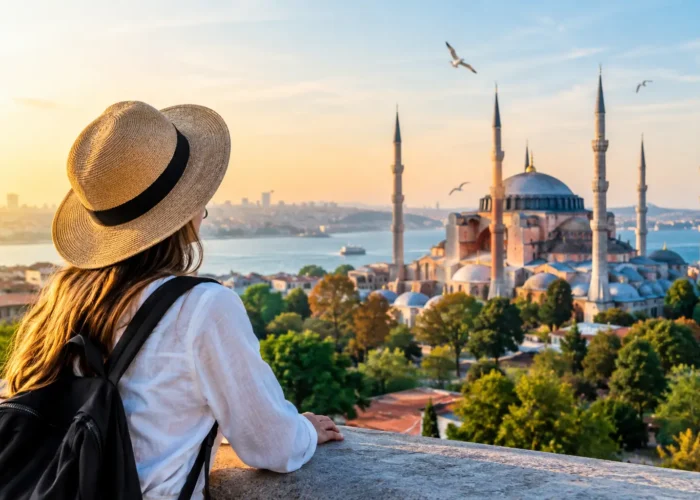
A private guide meeting you at Istanbul Airport, a driver waiting outside Ephesus, and a carefully timed Cappadocia itinerary do more than add comfort – they remove the small uncertainties that can distract from an extraordinary journey. So, is Turkey safe for tourists? For the great majority of visitors who plan thoughtfully, stay aware of official guidance, and use sensible travel practices, Turkey is a welcoming and rewarding destination to experience.
Turkey receives millions of international visitors each year, drawn by Istanbul’s imperial landmarks, the otherworldly valleys of Cappadocia, the classical grandeur of Ephesus, and the Aegean coast. Like any large, dynamic country, it requires informed choices. Conditions can vary by region, season, and current events, but travelers on well-designed itineraries generally find the country easy to enjoy with the right local support.
Is Turkey Safe for Tourists in Popular Destinations?
The destinations most international leisure travelers visit are well established for tourism, with extensive hospitality infrastructure, experienced guides, and professional transportation services. Istanbul, Cappadocia, Ephesus and the Kusadasi coast, Pamukkale, Antalya, and the Turkish Riviera are accustomed to welcoming travelers from around the world.
Istanbul deserves the same awareness you would bring to any major global city. Its historic districts are lively, its streets can be busy, and popular areas such as Sultanahmet, Galata, Taksim, and the Grand Bazaar attract both visitors and opportunistic petty theft. Keep valuables secure, use licensed transportation, and avoid leaving bags unattended. These are routine urban precautions, not a reason to miss the city’s mosques, palaces, markets, and exceptional dining.
Cappadocia feels considerably quieter, particularly when staying in the cave hotels of Goreme, Uchisar, or Ortahisar. The primary safety considerations here are practical: uneven terrain on valley walks, early starts for balloon flights, and road travel between villages. A knowledgeable local guide is especially valuable for choosing suitable trails and adjusting plans around weather.
Along the Aegean coast, sites such as Ephesus, Pergamon, and Pamukkale are highly visited and generally straightforward for organized touring. In summer, heat and sun exposure can be more consequential than security concerns. Comfortable shoes, water, sunscreen, and a schedule that avoids the hottest part of the afternoon make a meaningful difference.
Regional Awareness Matters
Turkey is geographically large, and it is unwise to treat every region as identical. Most classic cultural itineraries are concentrated in the west and central parts of the country, far from areas that may be subject to changing security advisories near certain borders.
Before departure, review the most current travel guidance issued by your government and follow any advice specific to your citizenship or destination. Travelers should also remember that demonstrations, political gatherings, and large crowds can arise in major cities. The sensible approach is simple: do not participate, keep your distance, and allow your itinerary to be adjusted if needed.
A private, professionally managed journey provides an added layer of reassurance because a local team can monitor conditions in real time, recommend the most appropriate routes, and make changes without leaving guests to solve logistics on their own.
Everyday Safety: What Travelers Should Know
Most visits to Turkey are trouble-free, and Turkish hospitality is one of the country’s defining pleasures. Shopkeepers, hotel teams, restaurant staff, and guides regularly go out of their way to help visitors feel at home. Still, a polished trip benefits from the same situational awareness you would use in Rome, Paris, or New York.
Use hotel safes for passports, excess cash, and valuable jewelry whenever possible. Carry only what you need for the day, and keep phones and wallets in a zipped bag or front pocket in crowded places. If a taxi is needed, ask your hotel, guide, or restaurant to arrange one, or use an established taxi stand rather than accepting an unsolicited ride.
Visitors may encounter persistent sales approaches around major tourist sites. A courteous but firm “no, thank you” is usually all that is required. Be cautious of unusually friendly strangers who quickly steer a conversation toward a bar, club, or shop, particularly in busy nightlife areas. Reputable guides and carefully selected restaurants eliminate much of this friction.
For families, Turkey can be especially appealing. Restaurants are accustomed to children, private vehicles make long sightseeing days more comfortable, and a flexible itinerary allows time for rest. Parents should remain attentive around historic ruins, terraces, waterfronts, and hotel balconies, where surfaces or barriers may differ from what they expect at home.
Transportation and Health Considerations
Turkey’s domestic flight network is efficient and often the most comfortable way to connect Istanbul with Cappadocia, Izmir, Antalya, or other key regions. For touring on the ground, the standard matters. A modern private vehicle with a professional driver offers more than convenience: it reduces the stress of unfamiliar roads, parking, navigation, and local driving patterns.
Road conditions on major routes are generally good, but city traffic can be intense and travel times can change. Build room into your schedule, particularly for airport transfers and cruise-port excursions. Cruise guests visiting Ephesus from Kusadasi should work with a team that plans conservatively around ship timings rather than treating a return-to-port deadline casually.
Drink bottled water if you prefer, stay hydrated in warmer months, and bring any prescription medication in its original packaging. Travelers with specific medical needs should confirm access to required medication before departure and consider travel insurance with appropriate medical coverage. Major cities and resort areas have strong private healthcare options, though service standards can vary by location.
Cultural Confidence Makes a Difference
Turkey is modern, diverse, and deeply rooted in tradition. Respectful dress is appreciated at religious sites, especially active mosques. Women should carry a scarf for mosque visits, and all guests should expect to remove shoes before entering prayer areas. Clothing that covers shoulders and knees is a considerate choice for both women and men.
Learning a few Turkish words is warmly received. “Merhaba” for hello and “teşekkür ederim” for thank you can open doors to warmer interactions. At the same time, visitors do not need to worry about getting every custom exactly right. A good guide offers context naturally, helping guests feel comfortable rather than self-conscious.
Photography etiquette also deserves attention. Ask before photographing individuals, be mindful in religious settings, and follow posted rules at museums and historic sites. These small gestures support the kind of respectful cultural exchange that turns sightseeing into a more meaningful experience.
A Smarter Way to Plan a Safe Turkey Trip
For travelers who value privacy, comfort, and expert oversight, the best safety decision often happens before the flight is booked. A well-paced itinerary avoids unnecessary late-night transfers, unreliable transportation, and rushed connections. It places travelers in thoughtfully selected hotels and pairs them with guides who understand both the destination and the expectations of international guests.
Consider these practical priorities when planning:
- Choose centrally located, well-reviewed accommodations with reliable guest services.
- Arrange airport transfers and intercity touring in advance with licensed professionals.
- Keep a flexible daily schedule, especially during hot weather or on cruise-call days.
- Share your itinerary and hotel details with a family member at home, and retain copies of essential documents.
Bosphorus Gate Travel designs private journeys around these details, combining expert local guides, professional drivers, and personalized pacing across Turkey’s most compelling destinations. The result is not simply a more comfortable trip, but one in which guests can focus on the moments that matter: a quiet sunrise over Cappadocia, the call to prayer drifting across Istanbul, or a walk through the marble streets of ancient Ephesus.
Turkey rewards travelers who arrive prepared and curious. Follow current official guidance, use the same good judgment you would in any international destination, and give yourself the benefit of knowledgeable local planning. With those foundations in place, the country’s warmth, history, and remarkable landscapes are ready to take center stage.