
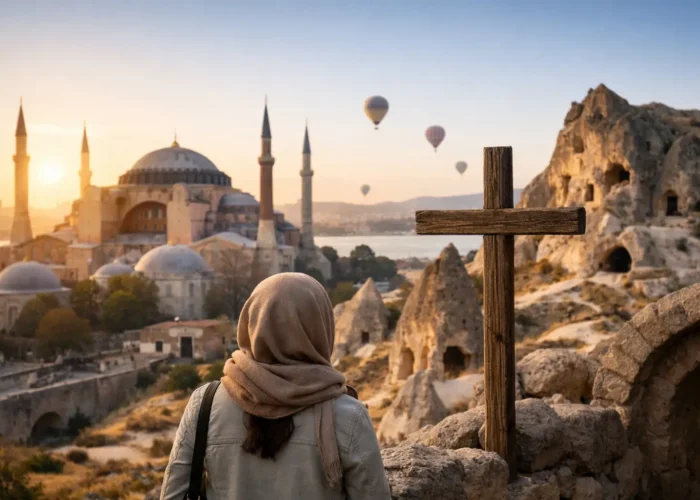
Standing in the House of the Virgin Mary near Ephesus feels very different when the day is paced for reflection rather than rushed sightseeing. That is the real value of faith based tours Turkey travelers seek today – not simply checking biblical landmarks off a list, but experiencing sacred places with context, comfort, and intention.
Turkey holds an extraordinary place in early Christian history. The Seven Churches of Revelation, the journeys of St. Paul, the Ecumenical heritage of Istanbul, and the long religious story of Anatolia all make the country one of the most compelling destinations for spiritually minded travelers. Yet the experience can vary widely depending on how the journey is designed. For many guests, the difference between a standard historical itinerary and a truly meaningful faith-centered program comes down to planning, pacing, and the quality of interpretation.
What makes faith based tours Turkey travelers choose truly worthwhile
A strong faith-based itinerary in Turkey should do more than move guests from one famous site to another. It should connect places, scripture, history, and lived tradition in a way that feels coherent. That requires expert local guidance, thoughtful routing, and enough flexibility to allow for prayer, reflection, or private moments at significant sites.
This is especially important in Turkey because its religious history is layered. Many destinations are not purely devotional spaces in the modern sense. They are archaeological sites, museums, ancient ruins, active neighborhoods, and living cultural landscapes all at once. A well-curated program helps travelers understand how biblical events, church history, Roman civilization, Byzantine legacy, and modern Turkish culture intersect.
That balance matters. Some travelers want a pilgrimage-style experience centered on worship and spiritual reflection. Others want a premium cultural journey that places Christian heritage at the core without limiting the trip to exclusively religious stops. The best approach depends on the group, the denomination, the pace preferred, and how much time is available.
The most meaningful destinations for faith-based travel in Turkey
Ephesus is usually the emotional center of the journey. It is one of the most important sites for Christian travelers, both because of its connection to the Apostle Paul and because of the nearby House of the Virgin Mary. The ancient city itself is visually striking, but what gives it depth is interpretation. A knowledgeable guide can bring the Book of Acts and the Pauline letters into the setting in a way that makes the ruins feel immediate rather than distant.
The Basilica of St. John, also in the Ephesus region, adds another layer. For travelers interested in apostolic history, this site helps connect the wider early Christian tradition of western Anatolia. Depending on the itinerary, nearby ancient cities such as Laodicea and Hierapolis can also be included to expand the biblical framework.
Istanbul offers a different kind of spiritual significance. While it is often approached primarily as an imperial and cultural capital, it is equally important for Christian heritage. Hagia Sophia remains one of the most powerful monuments in the world for understanding the scale and legacy of Byzantine Christianity. The Chora Church, the Ecumenical Patriarchate, and historic monasteries and churches in the city can deepen the experience for travelers interested in Orthodox, Catholic, and early church history.
Cappadocia is not always the first place people think of for Christian travel, but it should not be overlooked. Its rock-cut churches, monastic settlements, and underground cities offer an entirely different view of early Christian life. This region is especially meaningful for guests who want to understand how faith communities lived, worshiped, and endured under changing political conditions.
For travelers focused specifically on the Seven Churches of Revelation, western Turkey becomes the main route. Ephesus, Smyrna, Pergamum, Thyatira, Sardis, Philadelphia, and Laodicea can be arranged into a concentrated itinerary. This is one of the clearest examples of why logistics matter. These sites are spread across multiple modern towns and regions, so a smooth private touring plan can dramatically improve the overall experience.
Why private planning often works better for faith-based itineraries
Faith-centered travel tends to be more personal than conventional touring. Some guests want time for devotional reading. Others prefer a slower day at one major site rather than a packed schedule of quick stops. Families may want a comfortable balance between sacred destinations and scenic or cultural experiences. Couples may want a quieter, more reflective pace with premium hotels and private transportation.
That is where custom planning becomes valuable. Private faith based tours Turkey programs allow the itinerary to reflect the traveler rather than forcing the traveler to fit a fixed group schedule. Site order can be adjusted, hotel choices can be elevated, and the day can be organized around meaningful experiences instead of rigid bus timing.
There are also practical advantages. Turkey is a large country, and combining Istanbul, Ephesus, Cappadocia, and Revelation sites requires tight coordination of flights, transfers, guides, and admissions. For premium travelers, having those details professionally managed is not a luxury add-on. It is what makes the journey feel focused and restful.
What to look for in a high-quality faith-based tour operator
The first thing to look for is destination expertise, not just generic tour packaging. A faith-based trip in Turkey should be led by specialists who understand the religious significance of the sites and the realities of travel between them. Historical knowledge matters, but so does the ability to shape each day with the right pace, comfort level, and access.
The second is itinerary quality. Some programs try to fit too much into too little time, which can leave travelers feeling hurried at places that deserve depth. Others overcorrect and become so narrow that guests miss the richness of Turkey itself. The strongest itineraries strike a balance between sacred sites and the broader cultural setting that gives them meaning.
The third is service standard. Private transportation, carefully selected hotels, licensed guides, and responsive trip support can transform a complex multi-city journey into a calm, immersive experience. For many US travelers, reassurance is part of the product. They want to know the details have been handled well before departure and throughout the trip.
This is where a specialist such as Bosphorus Gate Travel can make a meaningful difference. For travelers who want a customized journey rather than a generic group circuit, expert curation allows each destination to feel connected, comfortable, and spiritually relevant.
How long should a faith-based Turkey trip be?
It depends on the scope of the itinerary. A shorter program of five to six days can work well for Istanbul and Ephesus, especially for travelers with limited time who still want a meaningful introduction to Christian heritage in Turkey. This format is ideal for guests combining a cruise extension, a European vacation add-on, or a focused private retreat.
A more complete journey usually needs eight to ten days. That allows time for Istanbul, Ephesus, Cappadocia, and at least part of the Seven Churches route without making every day feel rushed. Travelers interested in a fuller Revelation itinerary may want ten to twelve days, particularly if they prefer a relaxed pace and premium hotel stays.
There is always a trade-off between depth and distance. Covering more sites creates a broader biblical framework, but spending more time in fewer places often produces a more moving experience. The right answer depends on whether the priority is comprehensive coverage or a quieter, more reflective journey.
Building a trip around faith, comfort, and cultural depth
The strongest faith-based journeys in Turkey are not one-dimensional. They respect the spiritual purpose of the trip while also embracing the destination’s cuisine, scenery, and cultural richness. A day that begins in an ancient church site and ends with a beautifully prepared regional dinner or a sunset view over Cappadocia often feels more complete, not less devotional.
That is particularly true for couples, families, and private groups who want meaningful travel without sacrificing comfort. Luxury transportation, well-located hotels, and expert guides do not detract from the purpose of the journey. They create the space to be present, attentive, and fully engaged.
Turkey rewards travelers who arrive with intention. Its Christian heritage is profound, but it is not always self-explanatory. The ruins are powerful, the landscapes are unforgettable, and the layers of history are immense. With the right planning, faith based tours Turkey travelers choose can become far more than a history lesson – they can become a deeply personal encounter with place, belief, and memory.
If you are considering a faith-centered journey through Turkey, the best starting point is not a generic itinerary. It is a conversation about what you want the trip to mean when you return home.